Restore Your Vehicle at a Premier Auto Body Shop
Vehicle damage can affect more than a car's appearance. A collision, dent, scratched panel, or damaged bumper may also affect structural integrity, safety features, and the vehicle's long-term condition. Restoring a vehicle properly requires careful assessment, appropriate repair methods, and attention to details that may not be visible at first glance. Choosing a professional auto body shop helps drivers understand the damage, explore suitable repair options, and work toward restoring their vehicle's appearance and functionality.
Whether a vehicle has experienced a minor parking lot impact or a more significant collision, the repair process should begin with a thorough evaluation. Technicians need to identify visible damage as well as potential issues involving underlying components, panel alignment, and safety systems. Professional repairs can help address these concerns while supporting the vehicle's value and reliability. Knowing what to expect from the restoration process can help vehicle owners make informed decisions and feel more prepared throughout the experience.
Evaluating Damage and Planning Repairs
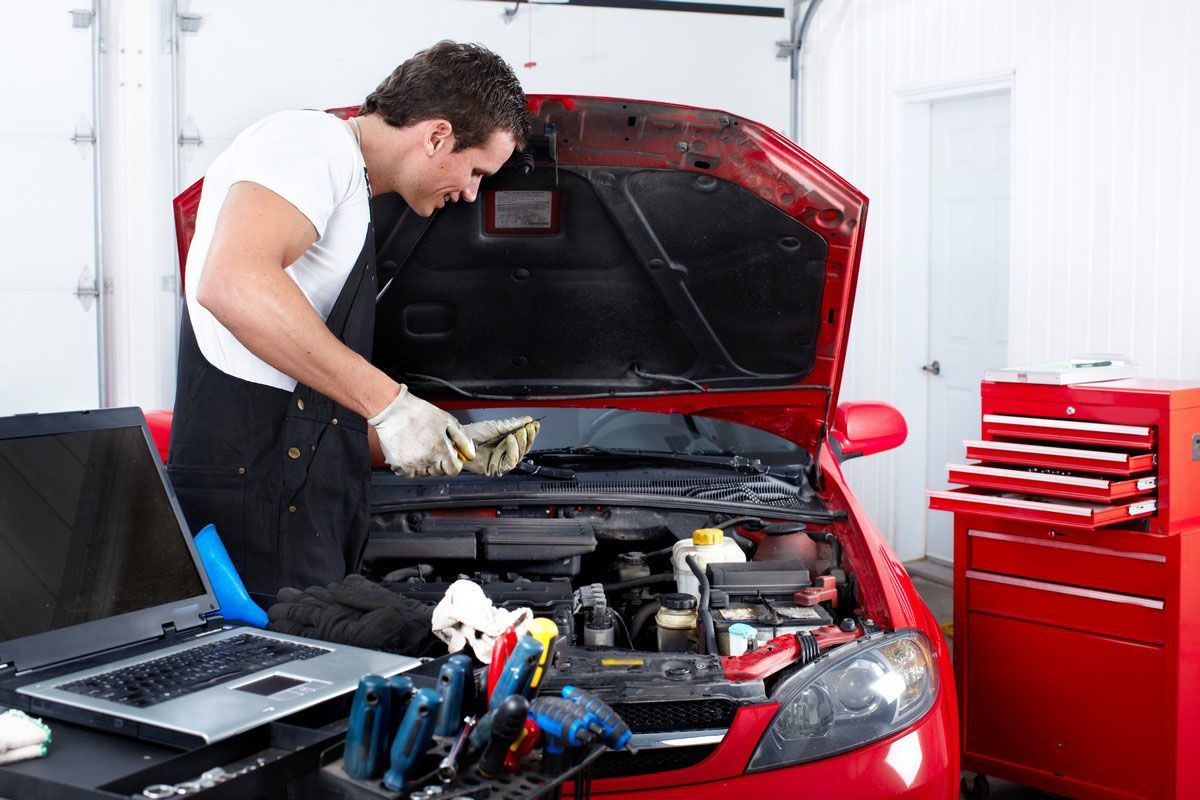
A comprehensive inspection establishes the foundation for an effective restoration. Technicians examine the damaged areas, assess the surrounding panels, and determine whether hidden components may also have been affected. Even a seemingly minor impact can damage mounting points, sensors, or other parts behind the exterior panels. A professional auto body shop can document these findings and develop a repair plan based on the vehicle's condition rather than relying solely on visible damage.
The assessment also helps establish which repairs should take priority. Depending on the collision, the work may involve body panels, bumpers, doors, glass, or structural components. Technicians can explain the recommended procedures and identify areas that require additional inspection once damaged parts are removed. This process helps vehicle owners understand the scope of the restoration and reduces the likelihood of overlooking important repairs.
Restoring Structural Integrity and Alignment
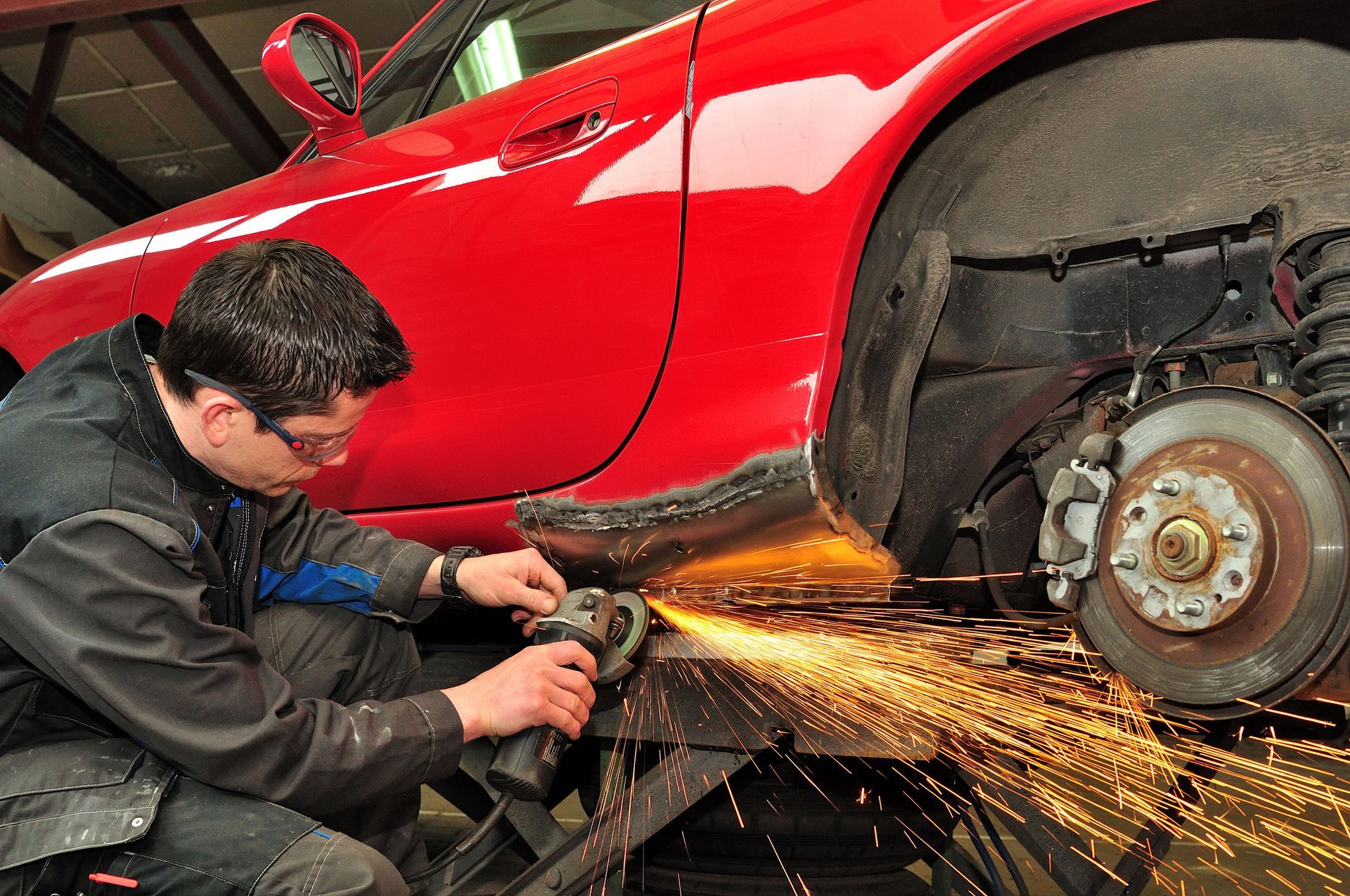
A vehicle's body is designed with specific dimensions and structural characteristics that help protect occupants during a collision. Significant impacts can alter panel alignment, deform structural sections, or affect how doors and other components fit together. Correcting these issues requires appropriate measuring equipment, manufacturer-specific information, and repair techniques suited to the vehicle's construction. Restoring proper alignment is essential to achieving a result that meets the applicable repair requirements.
Modern vehicles may use different combinations of steel, aluminum, composites, and other materials. Each material can require specialized handling, tools, and joining methods, making experience particularly important during collision repairs. Technicians must determine the appropriate procedures for the damaged area instead of assuming every vehicle can be repaired in the same way. Careful structural work helps restore the vehicle's intended configuration and supports the proper operation of its components.
Repairing Exterior Panels and Bodywork
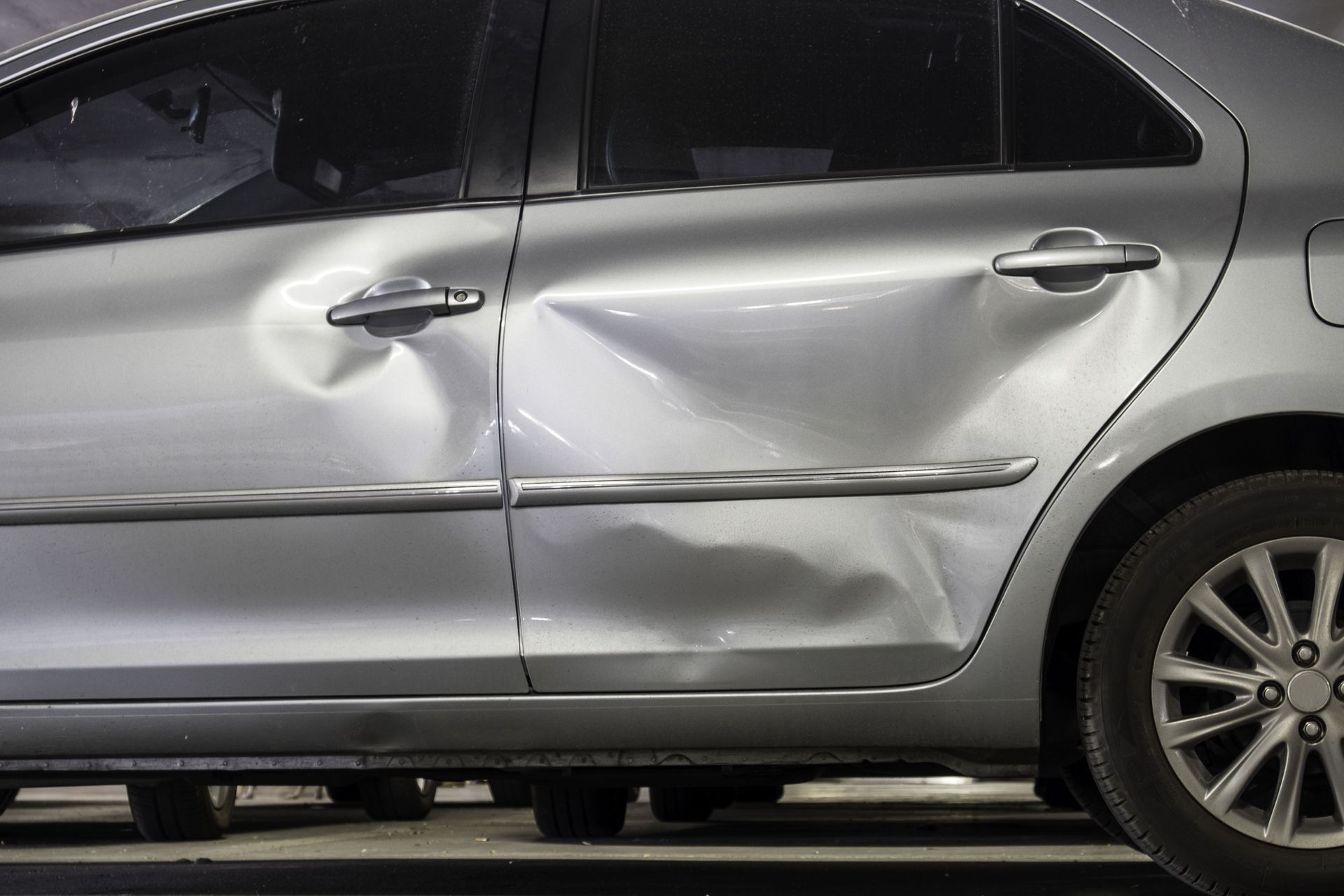
Dents, creases, scratches, and damaged panels can leave a vehicle looking worn or neglected. Professional bodywork addresses these imperfections while considering the condition and repairability of each affected component. Depending on the damage, technicians may repair an existing panel or determine that replacement is more appropriate. The decision depends on factors such as the severity of the damage, the material involved, and the manufacturer's repair guidance.
A professional auto body shop also pays attention to how repaired panels align with surrounding surfaces. Uneven gaps, poorly fitted trim, and inconsistent contours can detract from the finished appearance. Technicians work to restore the vehicle's original body lines and ensure that repaired areas integrate with adjacent components. This attention to detail helps produce a more consistent finish and allows doors, hatches, and other moving panels to function as intended.
Matching Paint and Refinishing Surfaces
Paint restoration involves more than selecting a color that appears similar to the original finish. Vehicle paint can vary because of its factory formulation, age, exposure to sunlight, and previous refinishing work. Technicians consider the vehicle's paint code and may use color-matching technology to help achieve a consistent result. Proper preparation is equally important because surface imperfections can remain visible beneath the finished coating.
The refinishing process may include preparing the surface, applying suitable primers, matching the color, and adding protective clear coat where appropriate. Environmental conditions and application techniques can influence the final appearance, so each stage requires care. A well-executed finish should blend with the surrounding bodywork as closely as the repair conditions allow. Professional refinishing can restore visual consistency while helping protect repaired surfaces against ordinary environmental exposure.
Restoring Safety Features and Vehicle Systems
Collision damage can affect more than body panels and exterior finishes. Many modern vehicles contain cameras, radar sensors, parking assistance systems, and other technologies that support driver awareness. If these components are damaged, removed, or disturbed during repairs, they may require inspection, calibration, or replacement according to manufacturer procedures. Ignoring these requirements can compromise system performance even when the vehicle looks fully restored.
Technicians should also consider related components such as lighting assemblies, door mechanisms, and safety restraints when the collision may have affected them. A qualified repair facility can identify which systems require further evaluation and coordinate the appropriate work. Depending on the vehicle and damage, specialized diagnostic equipment or additional expertise may be necessary. Addressing these considerations helps ensure that restoration covers relevant functional and safety concerns rather than focusing exclusively on appearance.
Coordinating Repairs and Customer Communication
Vehicle restoration can involve multiple stages, including inspection, parts ordering, body repairs, refinishing, and final quality checks. Clear communication helps owners understand how these stages fit together and what may influence the completion timeline. Parts availability, additional damage discovered during disassembly, and the complexity of required repairs can all affect scheduling. A repair facility should communicate significant changes and explain why adjustments to the original plan may be necessary.
Choosing an auto body shop that explains its process can make the experience easier to manage. Vehicle owners should understand the proposed work, how updates will be provided, and whom to contact with questions. Written estimates and repair documentation can help clarify the scope of work and identify changes as the project progresses. Open communication creates more realistic expectations and helps owners make informed decisions throughout the restoration.
Evaluating Reputation and Repair Quality
Selecting a repair provider requires more than finding a convenient location. Relevant experience, technician qualifications, repair capabilities, communication practices, and customer feedback can all help inform the decision. Reviews may offer insight into how a facility handles scheduling, explains repairs, and responds to customer concerns. According to WifiTalents, approximately 68% of customers take online reviews into account when choosing an independent auto body shop, highlighting the role customer feedback plays in repair decisions.
Reviews should be considered alongside other indicators of service quality. Vehicle owners can ask about experience with their vehicle's make and model, available repair procedures, and the facility's approach to quality control. It is also helpful to clarify how the shop documents completed work and handles questions that arise after repairs. Evaluating these factors together provides a more complete picture than relying on ratings alone.
Completing Inspections and Final Quality Checks
Before a restored vehicle is returned, the completed work should be reviewed carefully. Quality checks may include examining paint consistency, panel gaps, trim fitment, lighting operation, door alignment, and the function of components affected by the collision. Where applicable, technicians should also verify that required diagnostic checks and calibrations have been completed. These final evaluations help identify concerns that may otherwise go unnoticed when the vehicle is collected.
A professional
auto body shop should also explain the completed repairs and provide relevant documentation. Owners may want to understand which components were repaired or replaced, whether any recommendations remain outstanding, and what care the refinished surfaces may require. A clear handover allows questions to be addressed before the restoration process concludes. Attention to the final inspection helps ensure that the vehicle's appearance and repaired systems receive appropriate consideration.
Collision damage can be stressful, but choosing an experienced repair team helps make the restoration process more manageable. Careful assessments, appropriate repair methods, quality refinishing, and attention to vehicle systems all contribute to a thorough result. At Beechwood Auto Body, we understand the importance of addressing both visible damage and the details that affect your vehicle's overall condition. Contact our team to discuss your repair needs and learn how we can help restore your vehicle with care and attention to detail.