3 Common Auto Body Repair Issues and How Pros Fix Them
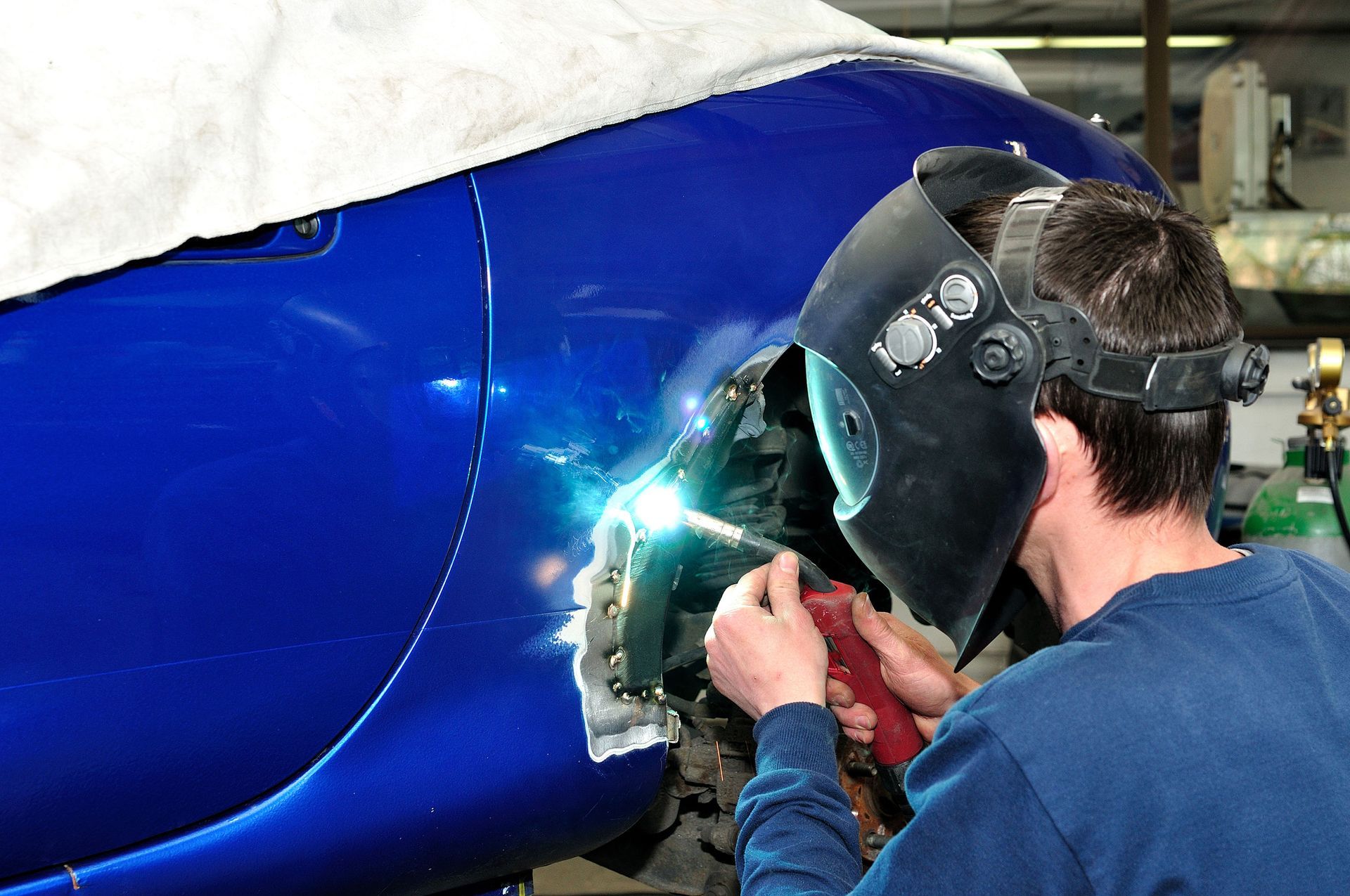
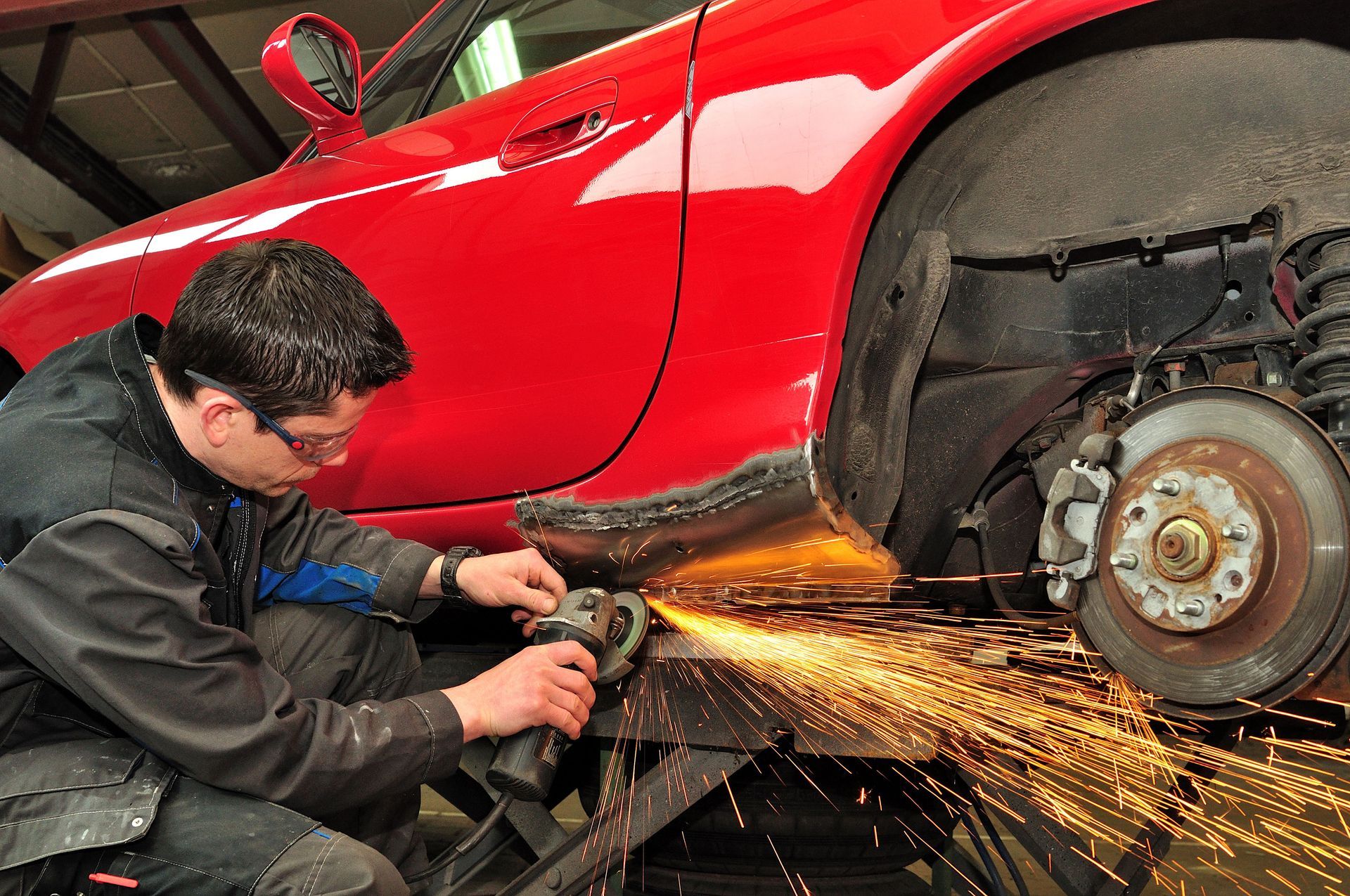
Auto body repair is crucial for maintaining the safety and aesthetics of vehicles. Car owners often encounter a range of challenges, from minor scratches to significant structural damage. Professional auto body shop services provide effective solutions, ensuring the vehicle's longevity and maintaining its value. By addressing these common issues, pros not only enhance the vehicle's appearance but also its resale potential. Understanding the three auto body repair issues below can save car owners from more extensive damage and costly future expenditures, particularly given the significant costs associated with vehicle maintenance.
1. Paint Scratches
Identifying the Severity of Scratches
Scratches on a vehicle's paint can vary widely in severity. Light surface scratches may only affect the clear coat, while deeper ones can penetrate the paint and even the primer, exposing bare metal. Identifying the severity is crucial as it dictates the necessary repair approach. Auto body shop professionals use tactile and visual assessments, sometimes employing magnifying tools for accuracy. This initial identification process is essential in determining whether a simple buffing will suffice or if more intensive repair methods are needed.
Surface-Level Scratches and Buffing Solutions
Surface-level scratches often only mark the clear coat and can be addressed with buffing. Auto body shop professionals utilize high-quality buffing compounds and pads to restore the glossy finish. This process involves using a rotary buffer to gently abrade the top layer of the paint. By meticulously removing the scratched layer, they reveal the untouched paint beneath, resulting in a seamless finish. This technique is quick and cost-effective, preserving the original paint job's integrity.
Using Touch-Up Paint for Minor Scratches
For minor scratches that breach the clear coat, touch-up paint is an ideal solution. Technicians meticulously match the vehicle's paint color to ensure the repair is invisible. They clean the damaged area and use fine brushes to apply the paint carefully. This process, followed by a polish, helps blend the repair with the original surface. Touch-up paint is a practical and economical option for minor blemishes, often preventing the need for more extensive repainting.
Repainting and Blending Techniques for Deep Scratches
Deep scratches, which expose the primer or metal, require more comprehensive repair. Auto body shop professionals often opt for repainting, blending new paint with the existing finish. This involves sanding the damaged area, applying primer, and then painting in layers. The blending process ensures there are no noticeable demarcations between old and new paint. This meticulous approach restores the vehicle's original appearance and protects the underlying metal from corrosion.
Protective Coatings to Prevent Future Scratches
Preventing future scratches is as important as fixing existing ones. Pros often recommend applying protective coatings, such as ceramic or film wraps. These coatings provide an added layer of protection against environmental elements and minor abrasions. They also enhance the vehicle's shine, making maintenance easier. By investing in protective coatings, car owners can prolong the life of their paint job and maintain the vehicle's showroom appearance.
2. Dents and Dings
Assessment and Measurement of Dents
Assessing dents involves understanding their depth, location, and potential impact on the vehicle's structure. Technicians use both visual inspections and specialized tools to measure the extent of the dent. This information helps in devising a suitable repair plan. Accurate assessment is crucial as it impacts the choice between paintless dent repair and traditional methods. A detailed understanding of the dent ensures a precise and effective restoration process.
Paintless Dent Repair (PDR) Techniques
Paintless Dent Repair (PDR) is a popular technique for removing minor dents without affecting the vehicle's paintwork. This method involves using special tools to massage the metal back into its original shape. By approaching the dent gradually, technicians restore the panel's surface without damaging the paint. PDR is a highly efficient and cost-effective solution, suitable for light hail damage, door dings, and minor creases. It requires skilled auto body shop professionals to ensure the metal flows back seamlessly, maintaining the factory finish.
Using Specialty Tools for Larger Dents
Larger dents often necessitate the use of specialty tools for effective repair. Tools like dent pullers, slide hammers, and body filler compounds are commonly used in these cases. Technicians carefully extract the dent, ensuring the metal does not overstretch or crack. The process may involve multiple stages, including panel shaping and smoothing to achieve the perfect surface finish. Mastery of these tools is essential for repairing significant damage while maintaining the structural integrity of the panel.
Traditional vs. Modern Dent Repair Approaches
Traditional dent repair often involves sanding, filling, and repainting, while modern techniques emphasize minimal invasiveness. While traditional methods are indispensable for severe damage, modern approaches like PDR minimize costs and preserve original paintwork. The choice between them depends on factors like the dent's size and location. Auto body shop professionals weigh the options, considering time, resources, and the vehicle's condition. Both methods have their merits, and expertise in both provides a comprehensive service offering to clients.
Ensuring a Smooth and Even Surface Finish
Achieving a smooth surface finish involves meticulous sanding and polishing post-repair. Technicians use progressively finer grit sandpapers to eliminate any imperfections. Polishing compounds are then applied to restore the shine. The process ensures that any repaired area matches the rest of the vehicle. A flawless finish not only enhances the car's aesthetics but also increases its resale value, aligning with vehicle maintenance costs that average about 10.13 cents per mile in 2024, according to Bankrate.
3. Cracked or Shattered Windshields
Understanding the Types of Windshield Damages
Windshield damages come in various forms, such as chips, cracks, and shattered glass. Each type requires a different approach for repair or replacement. Chips are often the result of small debris impact, while cracks can spread if not addressed promptly. Technicians thoroughly evaluate the damage to decide on the appropriate technique. Immediate attention to windshield issues is crucial for the safety and structural integrity of the vehicle.
Temporary Fixes for Small Cracks
Small cracks can often be temporarily fixed using DIY solutions or professional repair kits. These kits typically involve injecting a resin into the crack to prevent it from spreading. While not a permanent solution, it buys time until a professional repair can be conducted. This temporary measure is ideal for minor damages and serves as a cost-effective interim solution. Regular inspection ensures these small issues don't evolve into major repairs.
Professional Techniques for Windshield Repair
When it comes to professional windshield repair, experts first clean and prepare the damaged area. They then apply a special resin that bonds with the glass, making the crack virtually invisible. Using ultraviolet light, they cure the resin to ensure a solid bond. This method restores structural integrity, ensuring safety while driving. Professional repair not only enhances safety but also keeps costs down by preventing replacements.
The Process of Windshield Replacement
In situations where repair is unfeasible, windshield replacement becomes necessary. The process involves removing the damaged windshield without compromising the vehicle frame. Auto body shop professionals use precision to install a new windshield, ensuring it aligns correctly and provides proper sealing. High-quality adhesive is essential to secure the glass and maintain safety standards. Replacement guarantees a clear view and reinforces the car's structure.
Importance of Post-Repair Inspections
Post-repair inspections are vital to ensure the repaired or replaced windshield meets safety standards. Technicians meticulously check the installation for leaks, alignment, and durability. These inspections confirm that the repair has restored the windshield's integrity. Any discrepancies found during these checks are promptly addressed. This diligence ensures the vehicle is safe for operation and complies with regulatory standards.
Professional auto body repair is pivotal in maintaining a vehicle's safety, appearance, and value. From addressing paint scratches and windshield damages to comprehensive frame straightening and headlight restoration, each technique requires skill and precision. These repairs not only enhance the vehicle's aesthetic appeal but also extend its operational life. As the average driver spends notable amounts on maintenance, investing in professional repairs pays off in the long run. By choosing expert services, vehicle owners can enjoy peace of mind, knowing their vehicle is in optimal condition. Contact Beechwood Auto Body today to maintain your vehicle with help from top-tier auto body experts.